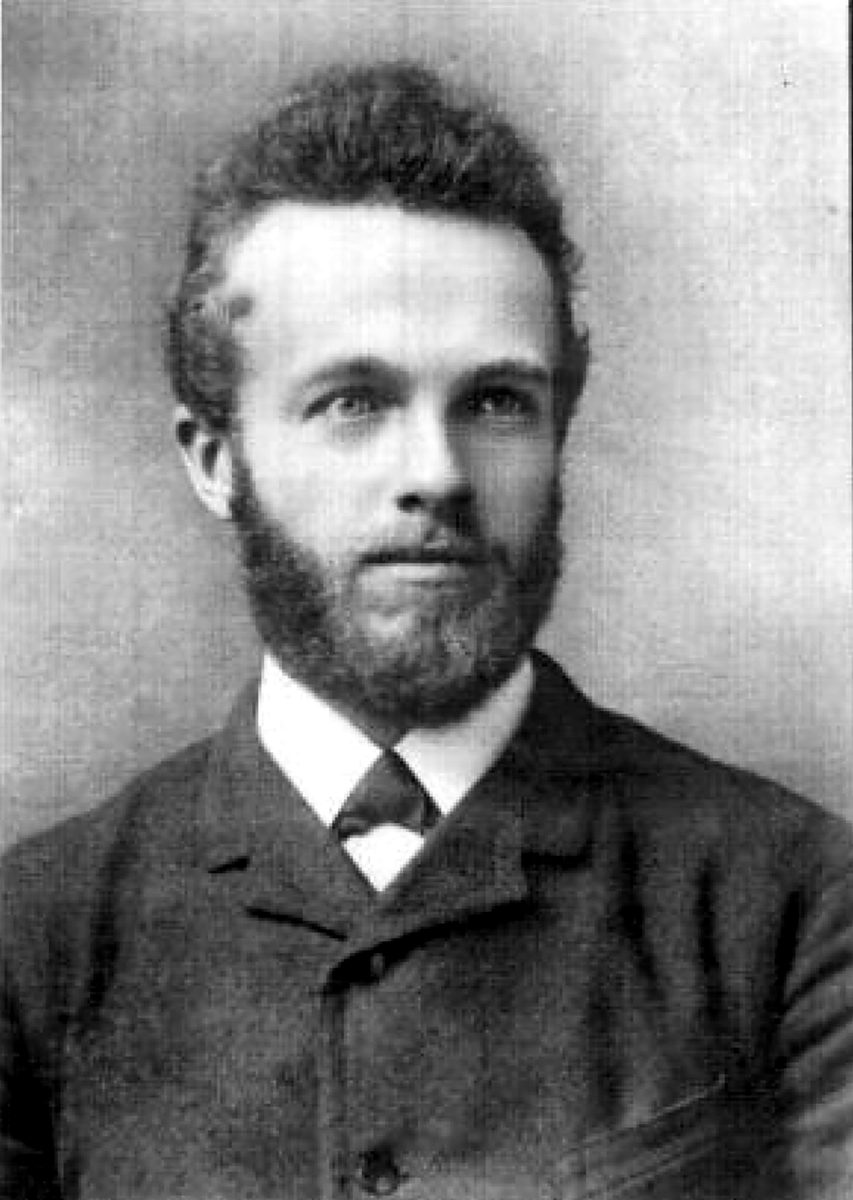
The Australian Knagges · Chapter I
Wiesbaden · Antwerp · Sydney · Narrandera · 1861–1911
The first of the Knagges to make Australia home did not go looking for land — he went looking for escape. This is the story of Adolf Heinrich Knagge (1861–1911), the restless second son who carried the family name from the tidy gardens of Germany to the sun-scorched plains of New South Wales, and of Dina, the wife who held the family together when the country nearly broke it.
The Restless Boy of Wiesbaden
Adolf was born in Wiesbaden on 15 March 1861, the eldest son of Johann Joseph Lambert Knagge — the “merchant prince” of the first chapter — and Antonie Landgraeber. When he was four or five a severe illness turned to encephalitis and left him with lifelong headaches and a hard struggle with study; his parents excused him from the Greek and Latin that shaped a respectable education. While his brother August thrived in the family textile trade, Adolf bent over an atlas, lost in the “Westerns” and Leatherstocking tales that filled his imagination. He was strong-willed and chafed against the settled life mapped out for him. After a youthful misstep that stung his sense of honour among respectable relatives, he had only one thought: “Get away — far away.” Inspired by the tales of his father Lambert’s own voyage to Java, he asked for the fare to Australia.
The Three-Year Silence
In April 1882 Adolf sailed from Antwerp aboard the Hermes Marsala. Then, silence — three years of it. Not a single letter reached Germany. Lambert learned that his son had cashed in his return ticket but never used it; Antonie, certain her favourite child was dead, had Masses said for his soul. The mystery broke only when Adolf’s brother-in-law, Heinrich Weltmann, traced the ship’s captain and sent a telegram halfway around the world — at a staggering 13.50 francs per word — carrying a single code: “Eureka.” Adolf had been found: alive, sun-bronzed, and wearing a thick red beard.
Dina
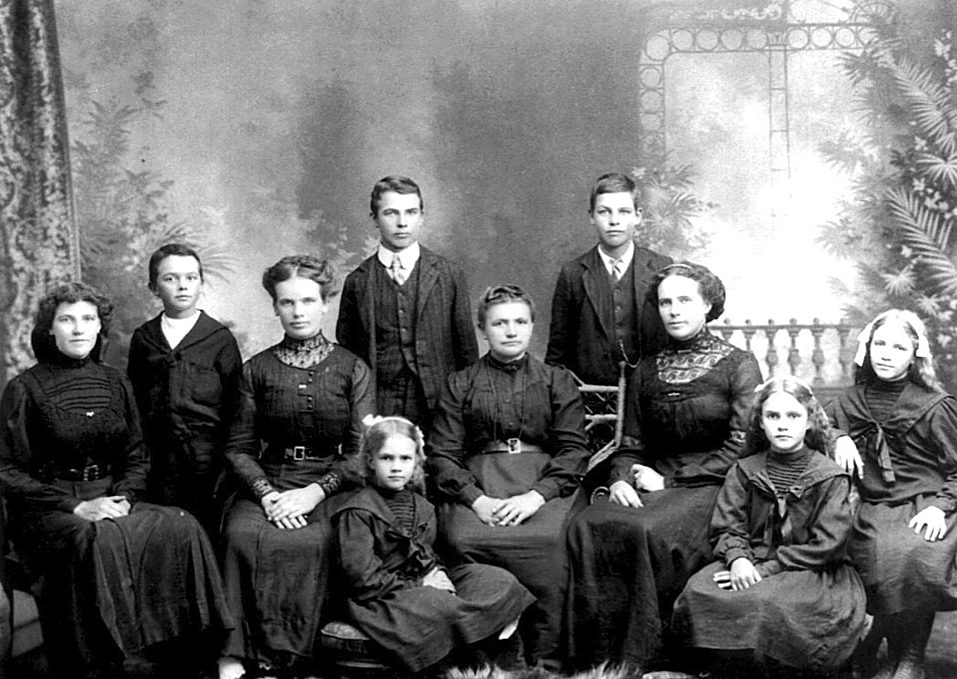
He came back to Germany briefly in 1885, but Europe no longer fit him — and this time he would not return alone. He had fallen for Bernhardine “Dina” Büssing, who had served four years as the family’s housemaid: reliable, God-fearing, and equally at home with housework and field work. After his mother’s death in October 1886 he declared his intention to marry her, and his father gave his blessing. Adolf went ahead to Australia in 1887 to secure land, and Dina followed later that year with her brother August. They married in Sydney on 30 November 1887.
The Covered Wagon
What followed was the stuff of both legend and nightmare. Their first venture, in Kangaroo Valley, failed; Adolf walked away before the second payment fell due. Too honest to pass a worthless, rabbit-ruined property to the next unsuspecting buyer, he loaded wife, child and everything they owned onto a tarpaulin-covered bullock wagon and took to the road. For a time they were nomads — sleeping under the stars, moving wherever work could be found: farmhand and cook in Albury, a sawmill in Ganmain, milking cows for Francis Gimkens near Narrandera. In 1893, an inheritance after Lambert’s death let Adolf buy 125 acres at Buckingbong; in time he sold that too.
The “Green Grass” Letters
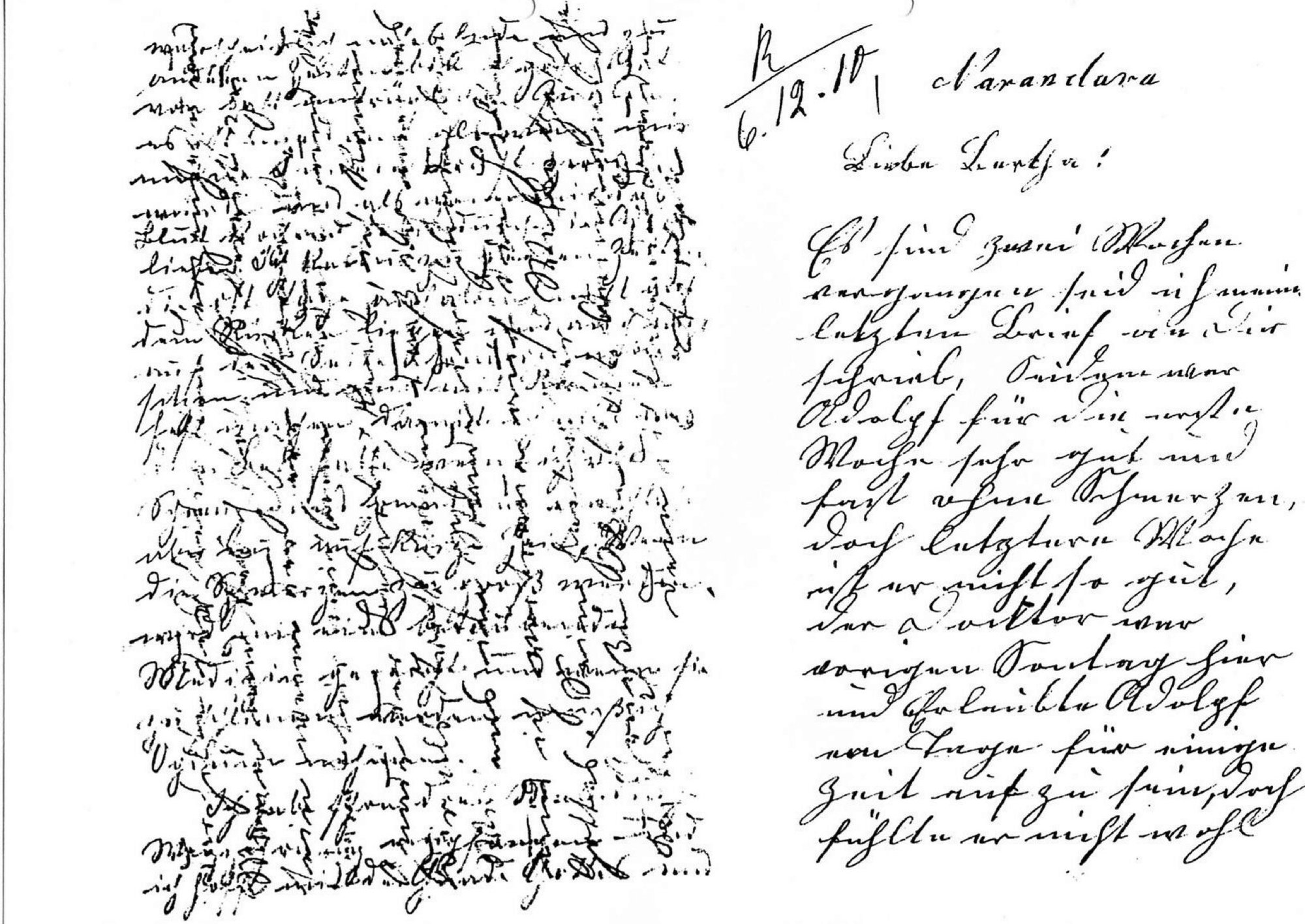
The letters that survived — gathered later under the title “Green Grass” — lay the struggle bare. The heat reached 127°F (53°C) in the shade; sandstorms filled the house with dust; drought gave way to flood, a rabbit plague stripped the crops, and locusts swept the pastures. Years of sunstroke wore at Adolf’s health and his temper, and constant disappointment left him embittered; he wrote to his sister Bertha of “purest blood-sucking” middlemen and the “immense solitude of the forest.” And through all of it stood Dina — the family’s backbone and, in their own word, its jewel. When Adolf was too proud to ask for more help, she quietly wrote to the relatives in Germany herself, and with the money they sent she bought a house in Gillenbah in her own name, so the children would always have a roof. Despite the locusts, the floods, and the droughts that killed half their cattle, they raised ten children: Antonia, Angela, Joseph, Bertha, August, Heinrich, Mathilde, Frank, Monika and Mary.
Legacy
Adolf Knagge died of a stroke on 24 May 1911, fifty years old — a man worn down by the climate he had chosen, but whose name was now rooted in Australian soil. He was buried in the Roman Catholic cemetery at Narrandera. Dina carried on, steadied by her children and by the faithful support of the German relatives, until her death on 28 May 1940. Their children grew into what the letters call “wild dare-devils” — the founding generation of the Australian Knagges, whose story continues in the next chapter.